In 2024, the entertainment industry found itself at a crossroads, with whispers of scandal and the shadow of gatekeeping looming larger than ever. At the center of this storm is Katt Williams—a comedian renowned not only for his razor-sharp wit but also for his relentless pursuit of truth.
Williams has made it his mission to expose the dark corners of Hollywood, calling out powerful figures like Oprah Winfrey, Tyler Perry, and Diddy for their alleged roles as gatekeepers and manipulators in the industry.
The Gatekeepers: Who Controls Hollywood?
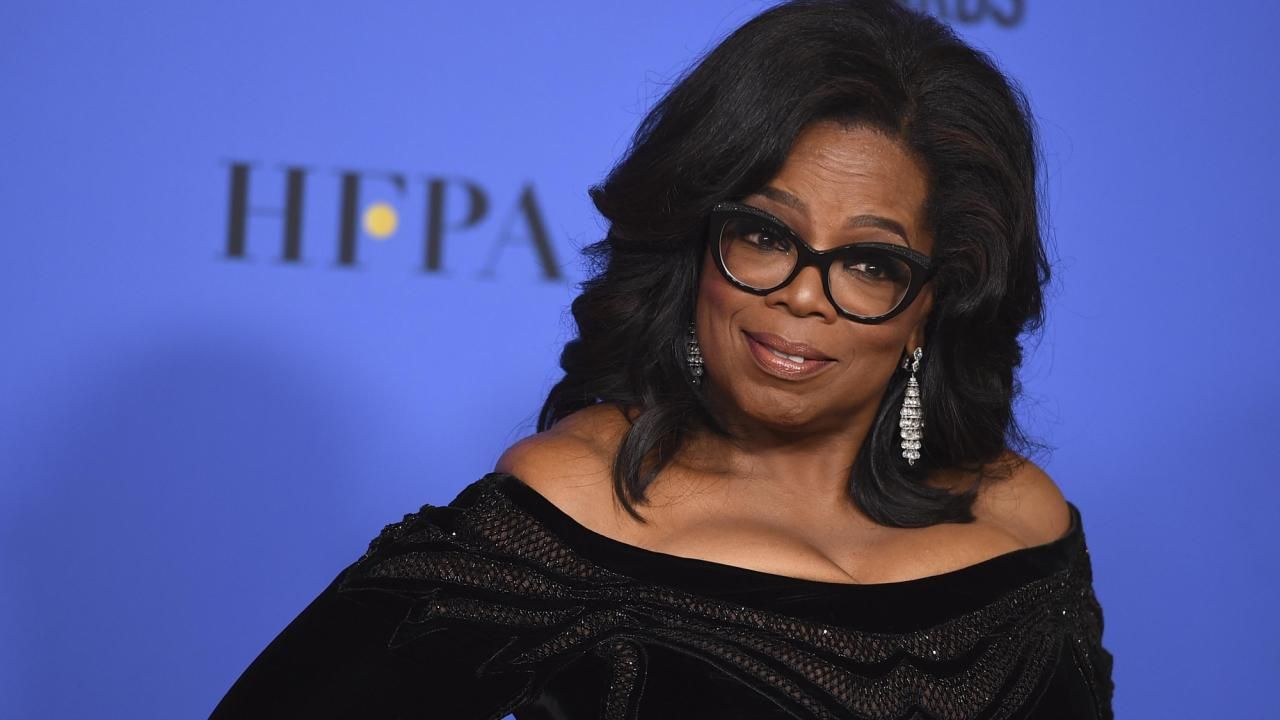
The term “gatekeeper” is thrown around a lot in Hollywood, but what does it really mean? In Williams’ view, gatekeepers are those who possess the power to make or break careers, who decide which artists get opportunities and which ones are left behind.
He argues that figures like Oprah and Tyler Perry, despite their celebrated status as trailblazers for Black talent, have in fact contributed to the very system that keeps many talented individuals out.
Williams points out that while Tyler Perry has produced numerous successful films and plays, many of the actors who star in his productions remain relatively unknown. “They’re not famous,” Williams says, “they can walk through the mall without security.”
He challenges Perry and others to use their influence to lift up new voices, rather than preserve their own status. If you’re part of a marginalized group, Williams argues, you should be helping others from that group rise—not keeping the gates closed.
Katt Williams: The Unfiltered Whistleblower
Katt Williams’ reputation as a whistleblower is well-earned. He’s never shied away from controversy, and in recent years, he’s taken aim at industry giants for everything from blackballing and underpaying Black talent to more sinister allegations involving abuse and manipulation.
In his now-famous Club Shay Shay interview, Williams laid bare the realities of Hollywood, naming names and sharing receipts.
Williams insists he has proof of the behind-the-scenes machinations that keep certain artists at the top while others are sabotaged. He claims that both Oprah and Tyler Perry have “cut corners” to stay on top, even if that means betraying fellow Black artists.
The fallout from these accusations has been significant, with both Oprah and Perry scrambling to defend themselves against the gatekeeper label.
Diddy, Germaine Dupri, and the Dark Side of Fame
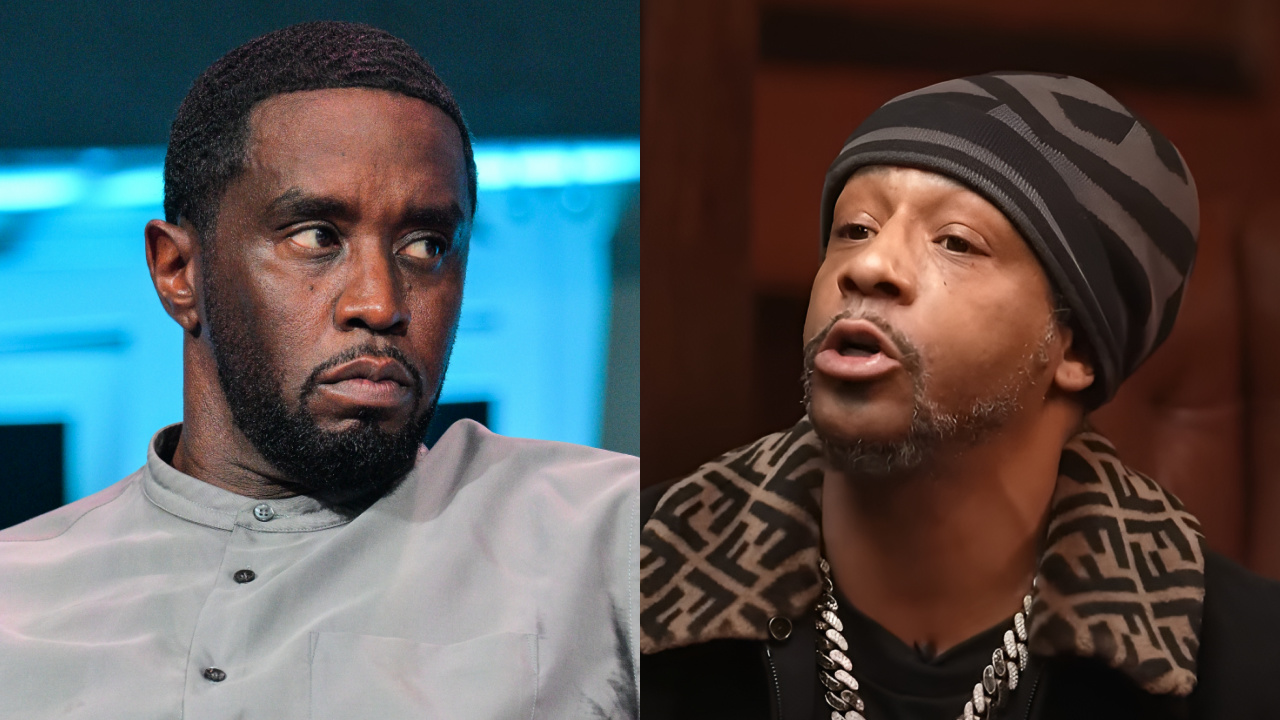
Williams didn’t stop with Oprah and Perry. He also called out Diddy (Sean Combs) and Germaine Dupri, alleging they were involved in deeply troubling acts behind closed doors.
Williams claims that Diddy kept secret recordings and tapes of people engaging in compromising behavior at his mansion, using them as leverage to ensure silence.
The allegations extend to the tragic story of Chris Kelly, one half of the 1990s rap duo Kris Kross. Williams suggests that Kelly’s struggles with substance abuse and his eventual death from a drug overdose in 2013 were linked to trauma inflicted by industry insiders, including Diddy and Dupri.
Reports have circulated that young artists were manipulated and subjected to abuse, with NDAs used to protect the powerful and silence the vulnerable.
Cassie’s Lawsuit and the Changing Narrative
It wasn’t until Cassie, a former Bad Boy Records artist, filed a lawsuit against Diddy that many fans began to take these allegations seriously.
Cassie described years of mistreatment, violence, and manipulation—claims that echoed many of the stories Williams had shared long before. The lawsuit painted a picture of an industry where abuse is swept under the rug, and powerful figures are protected at all costs.
Hollywood’s Double Standards
Williams has also highlighted the double standards faced by Black comedians and actors. He points to the fact that white comedians are often paid far more for their specials than their Black counterparts.
In a 2018 interview, Williams called out Netflix for offering huge sums to Dave Chappelle, Chris Rock, and Ellen DeGeneres, while offering him just a fraction of those amounts. He dubbed it the “$100 million disrespect,” arguing that Hollywood simply cannot fathom the brilliance of Black talent.
This systemic inequality isn’t new, Williams says, but it’s time for someone to address it head-on. He’s spoken candidly about being blacklisted after refusing to take roles that perpetuate negative stereotypes about the Black community. The result? Lucrative deals go to those willing to play by the rules, while truth-tellers are cast aside.
The Mo’Nique Saga: When Gatekeeping Turns Personal
One of the most infamous examples of Hollywood gatekeeping is the saga of Mo’Nique, the Oscar-winning actress who found herself blackballed after refusing to participate in an unpaid press tour for the film “Precious,” co-produced by Oprah and Tyler Perry.
Despite her reasonable request for a break to spend time with family, Mo’Nique was painted as “difficult,” and her career suffered.
The situation escalated when Oprah invited Mo’Nique’s brother—who had assaulted her as a child—onto her show, along with their parents, without Mo’Nique’s consent.
The move was seen as a betrayal, and Mo’Nique has since spoken out about the deep hurt it caused. Williams points to this as further evidence of the industry’s willingness to exploit vulnerability and silence dissent.
Oprah, Weinstein, and Questionable Alliances
Williams and others have criticized Oprah for her close relationship with disgraced producer Harvey Weinstein. Despite his reputation as a predator, Oprah maintained ties with him, leading to accusations of complicity.
Critics argue that this association undermines her public persona as a champion of women’s empowerment and the #MeToo movement.
Similarly, Oprah’s endorsement of figures like John of God—a Brazilian spiritual healer later convicted of assault—raises questions about her judgment and the influence she wields. Was it naivety, or something more calculated?
Tyler Perry, Spike Lee, and the Portrayal of Black Life
Tyler Perry has faced criticism for his portrayal of Black characters, with filmmaker Spike Lee calling his work “coonery and buffoonery.” Perry’s response was defensive, illustrating how both he and Oprah struggle to accept criticism. Williams argues that their refusal to address these concerns head-on only strengthens the perception that they are more interested in protecting their own brands than uplifting the community.
Katt Williams: Standing Firm in the Face of Backlash
Despite the risks, Williams remains undeterred. He knows that speaking truth to power comes with consequences—hatred, blackballing, and attempts to discredit him. But he stands firm, believing that those who expose patterns of abuse and manipulation are doing God’s work.
As more people begin to question the motives of Hollywood’s gatekeepers, Williams’ efforts seem to be paying off. Fans are starting to see Oprah and Tyler Perry in a new light, wondering if they’ve placed too much faith in these figures and not enough in themselves.
The Power of Speaking Up
Williams has also called out other comedians and celebrities, urging them to set the record straight and stop spinning false narratives. He’s questioned the legitimacy of Steve Harvey’s success, challenged stories told by Guy Torry and others, and demanded honesty from those who shape the industry’s history.
He’s even revealed that he was canceled for discussing Harvey Weinstein before the scandal broke, sharing shocking details about Weinstein’s behavior long before it became public knowledge.