Dr. Phil McGraw of TV fame and best-selling author John Grisham on Monday testified before Texas lawmakers who brought a death row inmate’s execution to a sudden halt last week.
The inmate, Robert Roberson, had been scheduled to testify following his 11th-hour reprieve on Thursday but it was delayed amid a flurry of legal filings and wrangling. The House Committee on Criminal Jurisprudence delayed his testimony Monday and instead heard from a number of other witnesses.
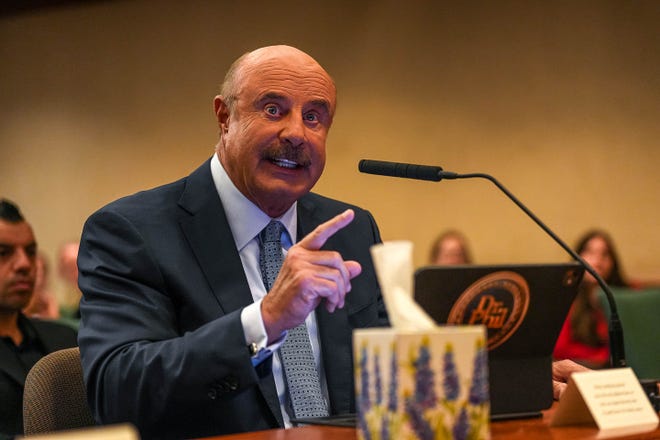
The committee is looking at whether to overhaul a Texas law meant to provide recourse for people convicted based on “junk science.” The bipartisan committee issued a subpoena for Roberson last week in a successful maneuver designed to stop his execution for the death of his 2-year-old daughter Nikki. (Roberson was convicted based on the now largely debunked Shaken Baby Syndrome.)
McGraw, who believes the death penalty is appropriate in some cases, said Roberson’s jury did not get the full picture and that Roberson was wrongfully convicted – a sentiment echoed by a large number of scientific and medical experts and the lead detective in the case who now admits he got it wrong.
“I am 100 percent convinced that were facing a miscarriage of justice here,” McGraw told the committee about Roberson’s case. “I say that because I do not believe that Mr. Roberson has had due process in this case. I do not believe he has yet enjoyed a fair trial in this matter.”
Here’s what to know about Monday’s testimony, and why Dr. Phil was at the hearing.
Why did Dr. Phil testify?
McGraw, who is not a medical doctor but holds a doctorate in clinical psychology, has closely followed Roberson’s case, met with the inmate a number of times, and conducted significant research in collaboration with the Innocence Project. Recently, he aired a two-part special that delved into the questionable forensic evidence used in Roberson’s conviction, particularly focusing on the now-debunked Shaken Baby Syndrome hypothesis. These episodes highlighted concerns about the fairness of the trial and the reliability of the evidence.
The special − called “Shaken Baby Syndrome, Junk Science & The Man Sitting on Death Row” and “Robert Roberson: Is He Innocent?” − raised critical questions about outdated medical science and the potential for a wrongful conviction.
McGraw emphasized the importance of reassessing the forensic evidence presented during Roberson’s trial, saying the stakes are high.
“The death penalty hangs in the balance here because if we get this wrong in a case like this, I think the death penalty could come under real attack,” he said.
John Grisham (“The Firm,” “A Time to Kill”), who previously wrote a column about Roberson’s case, also testified in favor of Roberson’s innocence.