Anyone who tuned in for the latest episode of Love and Hip Hop: Miami was in for quite the row down between castmates Amara Le Negra and Florence El Luche.
The stars gathered at Florence El Casa Matilda. At one point, Le Negra accused El Luche, who was feeling some kind of way due to her pal Shay Johnson becoming friendly with Le Negra, of not loving herself, the reason she was selling skin-lightening products on her Instagram. El Luche retorted, calling Legra a Black [expletive].
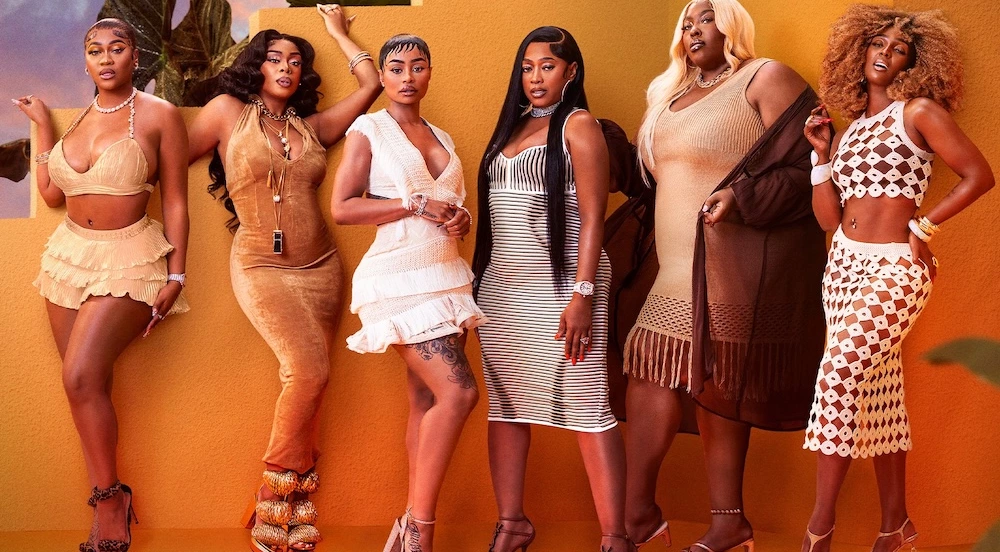
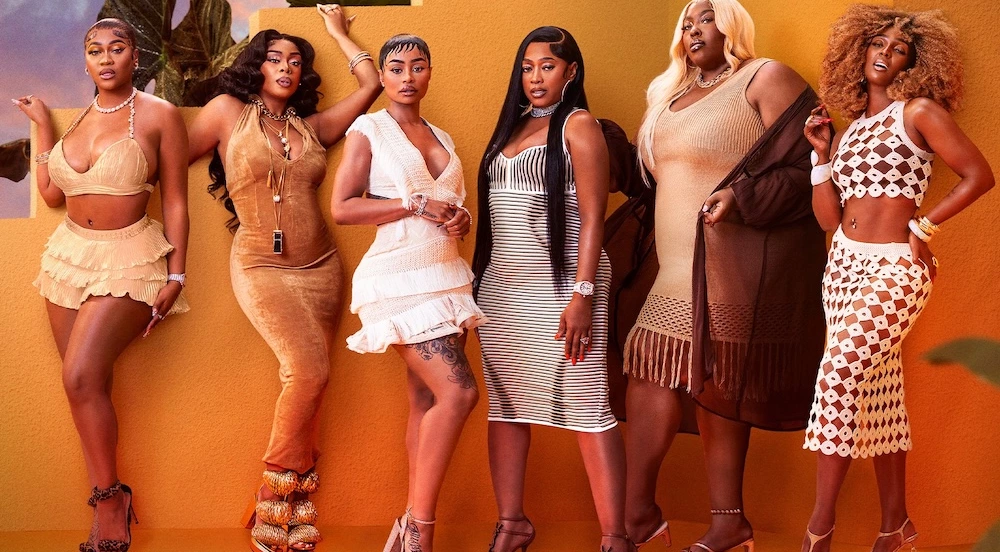
Le Negra fired black, claiming 100 percent love for her deeply melanated tone, leading El Luche to accuse the “Insecure” singer of being jealous of her light-toned skin, adding, “That’s how Black [expletive] hate on light-skinned gals.”
The disturbing aspect of the exchange was not that the two women fought. Throwdowns are something we’ve come to expect and enjoy in reality docudramas. But it’s the nature of the fight: two Black women exclaiming their disdain for one another through the degradation of their hues. Fans have already called for El Luche’s dismissal. “Flo you know danm (sic) well… VH1 yall better cancel her just like Erica because no mam,” writes _rickelsyy on the VH1 Instagram page.
The plight of Black colorism is not new in film and television. One of its most famous depictions is seen in Spike Lee’s 1997 film School Daze. Centering around the fictional Gamma Phi Gamma Fraternity and their female counterparts, who are predominantly light-skinned, the movie examines Black colorism’s damaging effects on the Black community.
The 2011 documentary Dark Girls explores cultural biases and prejudice against people with darker skin tones and even calls for the subject to be studied in educational settings. Indeed, how colorism affects dark-skinned Black children and how they see themselves in society, even against their own Black peers, merits discussion.
The subject becomes more granular when you examine Le Negra’s and El Luche’s heritage. It’s ironic that Le Negra, who is Dominican, a group that has historically at times rejected their African and Black heritage, is proud and standing in her Blackness. In a 2018 interview with NPR, Le Negra shared, “I know that nobody wants to talk about it, but we suffer a lot of racism, we suffer a lot of colorism, amongst ourselves…I get it all the time: ‘Oh whenever you get married, don’t get married to no Black man because you want to better the race.'”
As for El Luche, who is promoting her skincare brand on Instagram (with products designed to lighten hyperpigmentation) has roots from Haiti, a country known for being the first free Black state after a successful revolution. The two women are more connected by their geographic roots (Haiti and the Dominican Republic share the island of Dominica,) so seeing this neighbor-hating-neighboring playing out in such a vile way is also unwarranted.